Risk
-
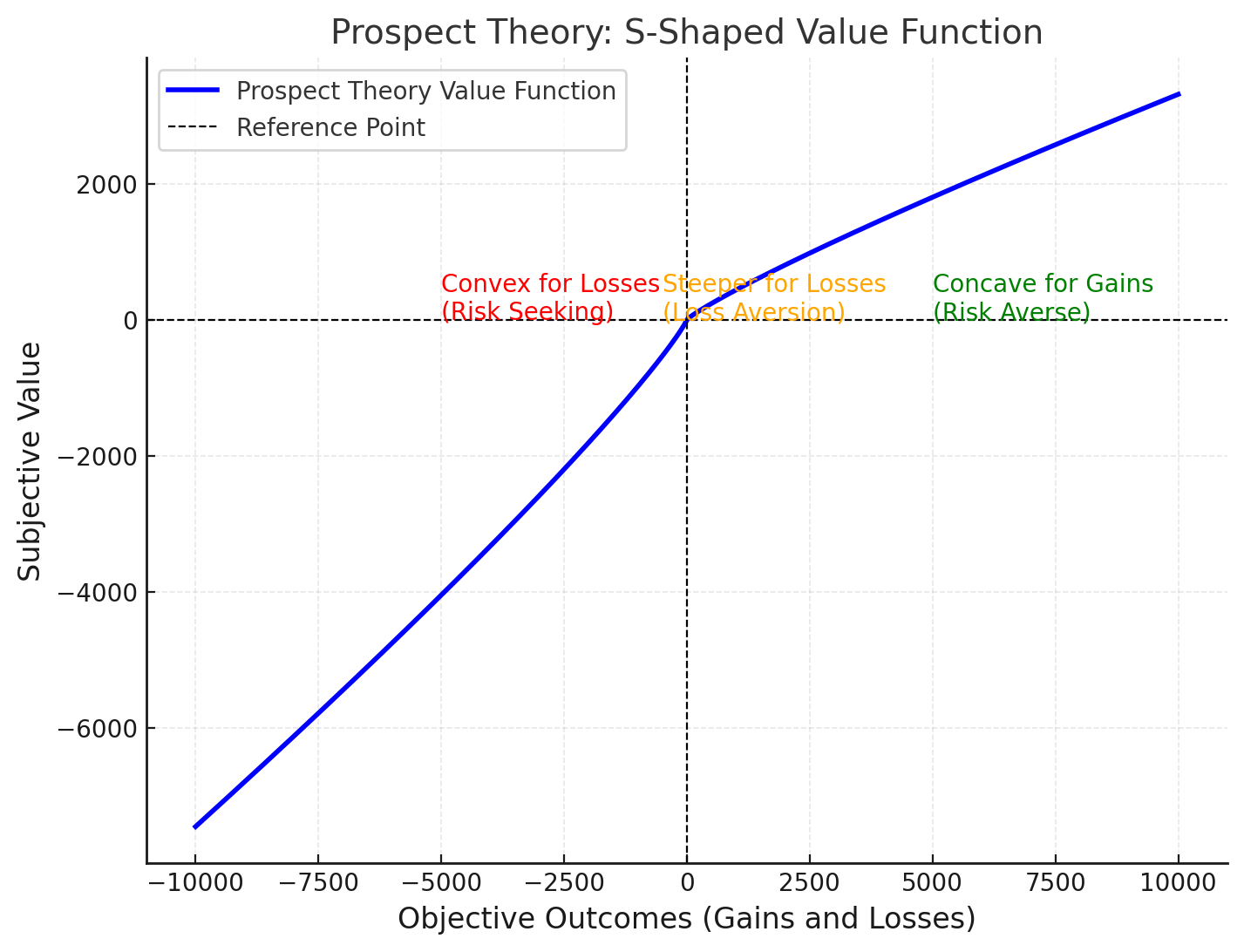
1. Bernoulli’s Utility Theory (Expected Utility Theory) Example: A person will prefer $10 for sure over a 50% chance of $20 because the utility of $10 is greater than the weighted utility of the risky gamble. This chart demonstrates how the expected utility of the gamble is calculated under Bernoulli’s Utility Theory: This approach visually…
-

Startup Valuations: Venture Funds vs. The Pastor-Stambaugh Model In the evaluation of startup valuations, venture capital funds often rely on The Pastor-Stambaugh model (PSM) instead of the Capital Asset Pricing Model (CAMP). This preference arises because startups place significant weight on liquidity parameters in the price of their capital risk. Due to the nature of…
-
According to the M&M theory, the formula for unlevering and levering capital is straightforward, but there are variations of the formula adapted to different situations. Situations can vary based on two parameters: Similarly, the formulas change in the case of levering: Finally, the formulas also change when unlevering or levering beta: The corresponding Excel file…
-
Evaluating organizations operating in developing countries is associated with certain difficulties, and in this area, academics and practitioners often do not agree. The issue is that developing markets are characterized by additional systemic and specific risks. Often, an additional 3%-5% country risk is added to an organization’s WACC, which is a significant mistake. According to…
-
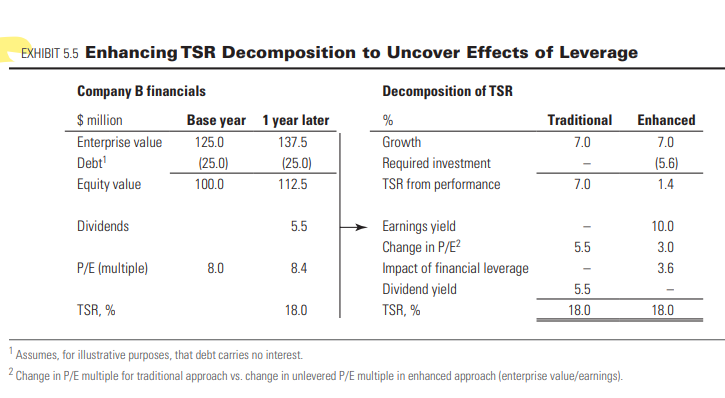
Even good fundamental indicators do not necessarily mean good profitability for investors, as profitability can affect the investment price of shares, which, apart from fundamental data, depends on market expectations. Shares of organizations with good ROIC and Growth Rates are generally considered future-oriented, so further increases in the prices of such shares due to future…
-
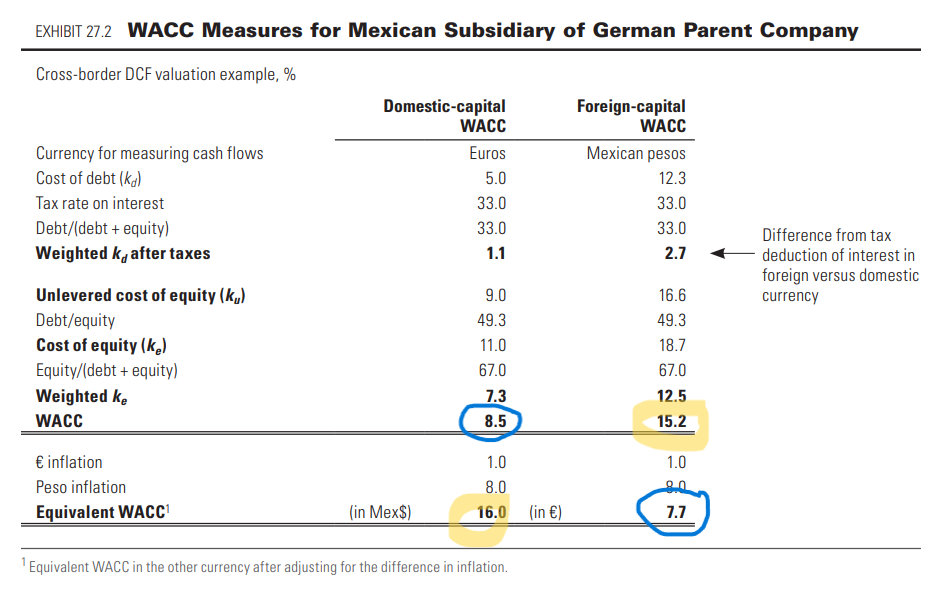
When discounting cross-border cash flows, several questions arise: which country’s cost of capital should be used? In which currency? And how should the beta of a subsidiary company be determined? Firstly, it is essential to consider the tax situation. There are instances when taxation occurs according to the laws of the subsidiary company’s country, or…
-
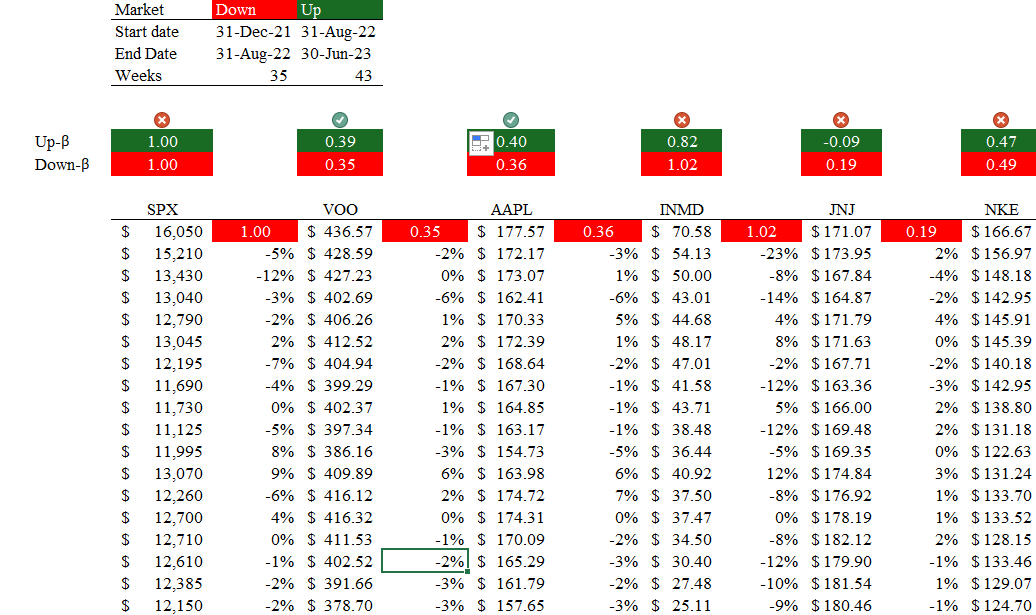
The beta coefficient is very useful for assessing an organization’s risk. It describes well how the stock price responds to changes in the overall market index, which in turn indicates systematic risk and, consequently, the expected return.