investing
-
When using multiples for valuation, EBITA is more frequently used because,
-
The EV/EBIT ratio has the limitation of considering the amortization of intangible assets that are added to the balance sheet through mergers and acquisitions. The key point is that such amortization almost does not affect future cash flows (since the asset does not actually wear out). Therefore, accounting for it typically distorts the picture. In…
-
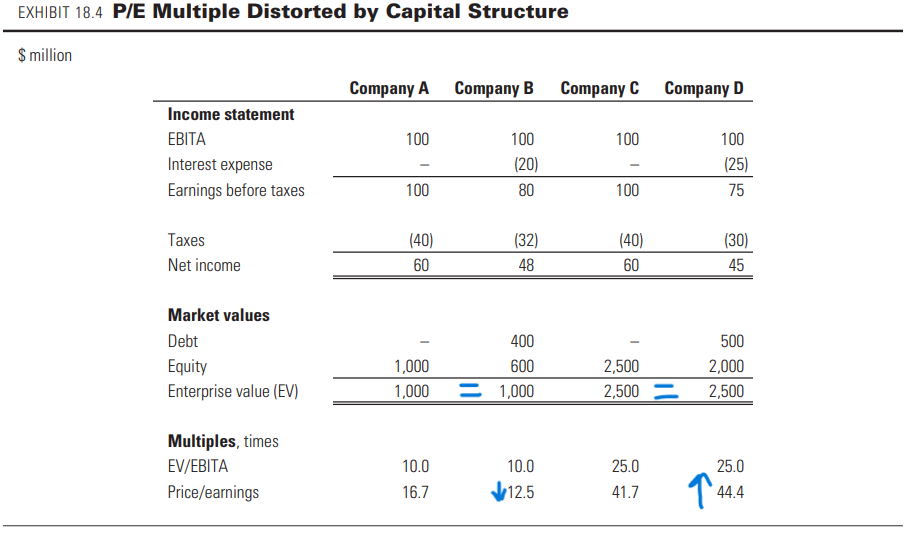
On official websites and trading platforms, you will often find the P/E ratio, which typically refers to the ratio of a stock’s price to its earnings over the past 12 months (per share).
-
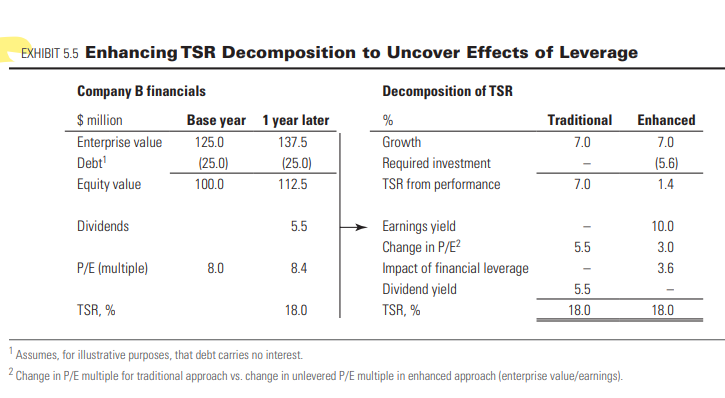
Even good fundamental indicators do not necessarily mean good profitability for investors, as profitability can affect the investment price of shares, which, apart from fundamental data, depends on market expectations. Shares of organizations with good ROIC and Growth Rates are generally considered future-oriented, so further increases in the prices of such shares due to future…
-
In residential real estate development, 20% of decisions create 80% of the value and, consequently, the profit. In strategic consulting, a widely used method is creating a value creation diagram to understand specifically where and how investor profit is generated. Below is a diagram representing our view, derived from years of experience: Generally, in any…
-
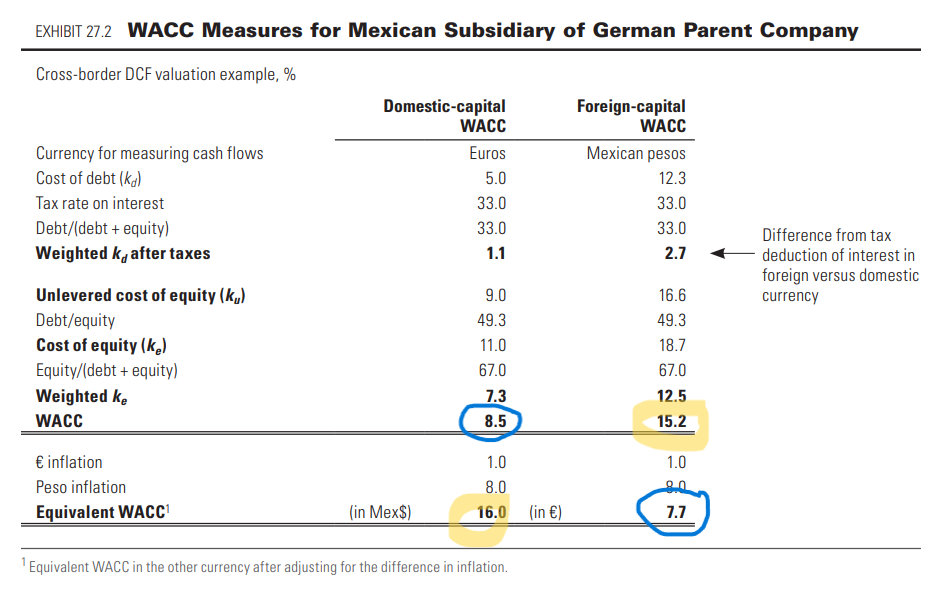
When discounting cross-border cash flows, several questions arise: which country’s cost of capital should be used? In which currency? And how should the beta of a subsidiary company be determined? Firstly, it is essential to consider the tax situation. There are instances when taxation occurs according to the laws of the subsidiary company’s country, or…
