investing
-
According to financial legislation, intangible assets generated during the process of organic growth (including R&D) are not recorded on the balance sheet; instead, they are directly expensed, which distorts the true financial picture of the organization. Expensing R&D in the initial growth stages shows negative results, while in later stages it shows very high ROIC,…
-
In accordance with IFRS, almost every leasing contract exceeding one year is recognized as financial leasing. This implies that the contract’s capitalization should occur as assets and liabilities, while the lease payments should be split into amortization and interest expenses. Under GAAP, we encounter somewhat complex mechanisms. Here, the classification of leasing contracts happens as…
-
Profit and Loss Statement and Cash Flow Forecasting When preparing the profit and loss statement and subsequently forecasting cash flows, we encounter expenses that are not directly related to operations, occur infrequently, and do not correlate with other line items. Examples of such expenses include restructuring, goodwill write-offs, and major legal disputes. Traditionally, these expenses…
-
Operational Taxes and Payment Timing The amount of tax arising from operations is one matter, and the timing of its payment is another. Additionally, in some cases, the tax figure is driven by purely accounting operations rather than actual cash flows. In a separate entry, I have demonstrated how to derive the effective tax from…
-
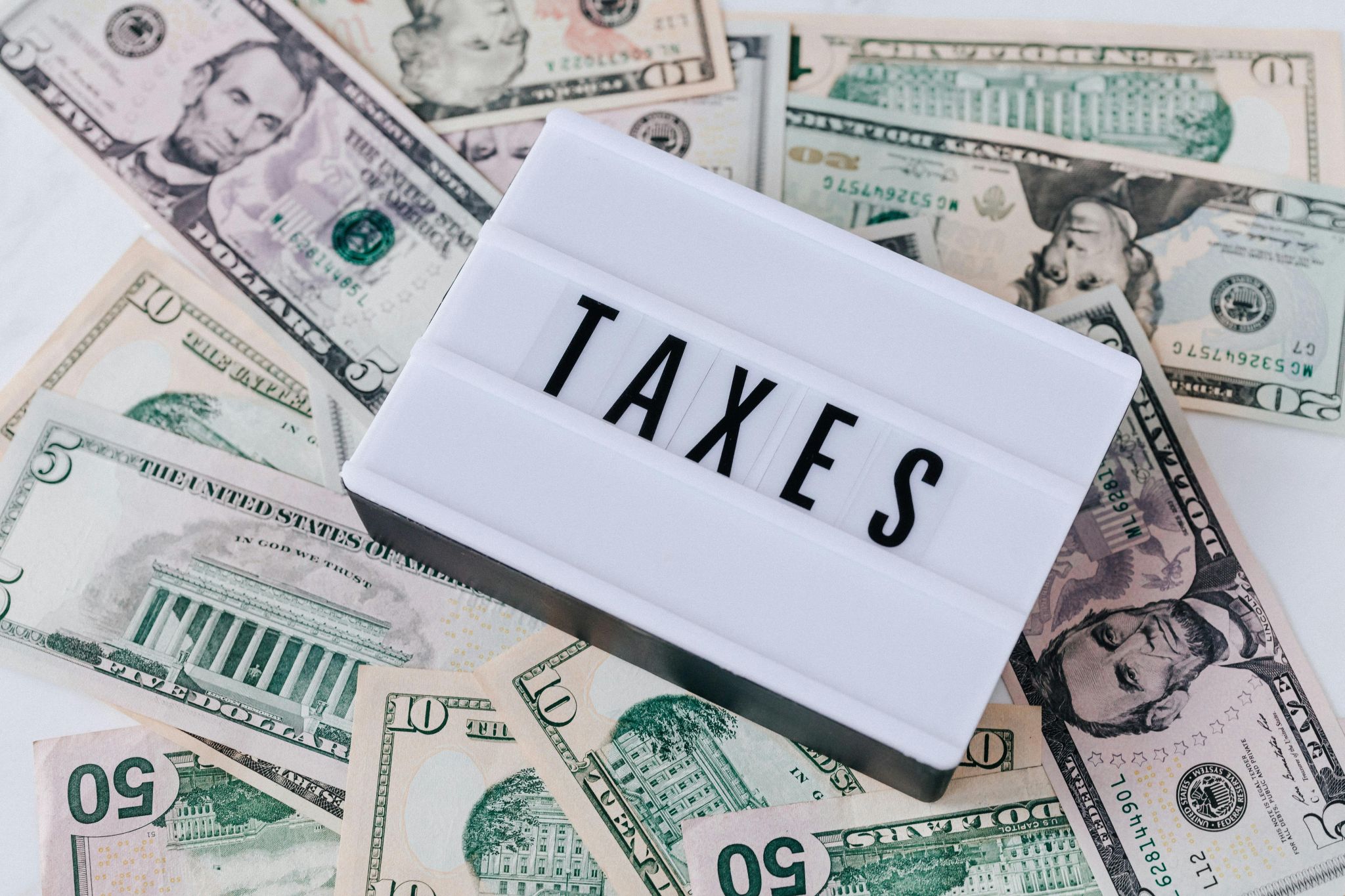
Forecasting a tax rate is a seemingly simple matter but needs to be detailed as it has a significant impact on the total value of the organization. The corporate tax rate can be seen in 4 dimensions: Unlike the Statutory rate, effective rate statistics are often used to predict. However, effective rate variability may be…
-
Investors use the PEG ratio to assess investment decisions. The formula is as follows: PEG = (P/E) / (EGR)
-
When evaluating organizations with multiples valuation, it is crucial to consider comparable companies. Here, the main components of creating the fundamental formula for valuation are: