Growth
-
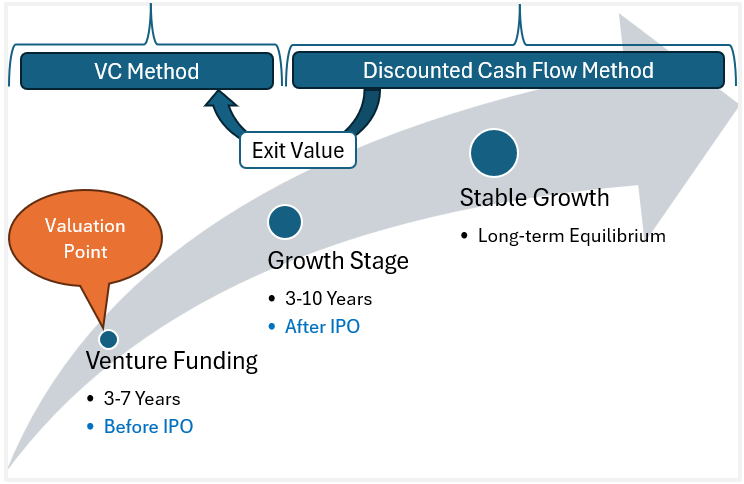
The use of the Venture Capital (VC) method for valuing an organization begins with determining the Exit Valuation, i.e., the value that the organization is expected to have when the fund successfully exits (either through an IPO or a sale to a PE fund). There are two approaches here: using the multiples method (comparative) or…
-

When discussing the evaluation of startups using the #VC method, one interesting point comes to mind: As I mentioned earlier, investment funds should provide an answer to the question of what happens to a startup when the fund exits? In the previous discussion, I mentioned that during evaluation, investors mainly rely on statistics of analogous…
-

Understanding what creates value and how it is created is critically important. A good format to grasp this is through a value creation tree diagram: First, let’s start with the idea that the opportunities for value growth are greater at the lower levels of the organization. Therefore, the lower the level we observe on the…
-
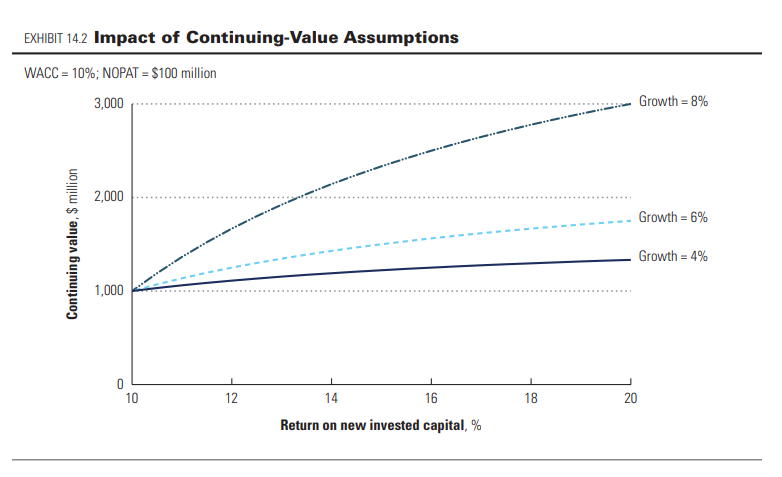
For calculating the value after the horizon, it’s necessary to explain the stability of financial indicators. What does this mean? NOPAT – must be normalized. This is the basic figure for subsequent projections. Therefore, inadequately high or low figures here can lead to significant errors. The final forecast year’s NOPAT should be based on normalized…
-

Valuation Forecasting: Three Crucial Moments to Consider for Error Mitigation: Source: #VALUATION – Measuring and Managing the Value of Companies7th EditionMcKinsey & CompanyTim Koller, Marc Goedhart, David Wessels
-

Observe the photo: on the left is an organization that grew rapidly and then experienced a sharp decline in its growth rate, while on the right is an organization with relatively stable growth. Historically, sales growth forecast distortions are typically caused by three factors: 1. Changes in exchange rates, 2. Mergers and acquisitions, and 3.…
-
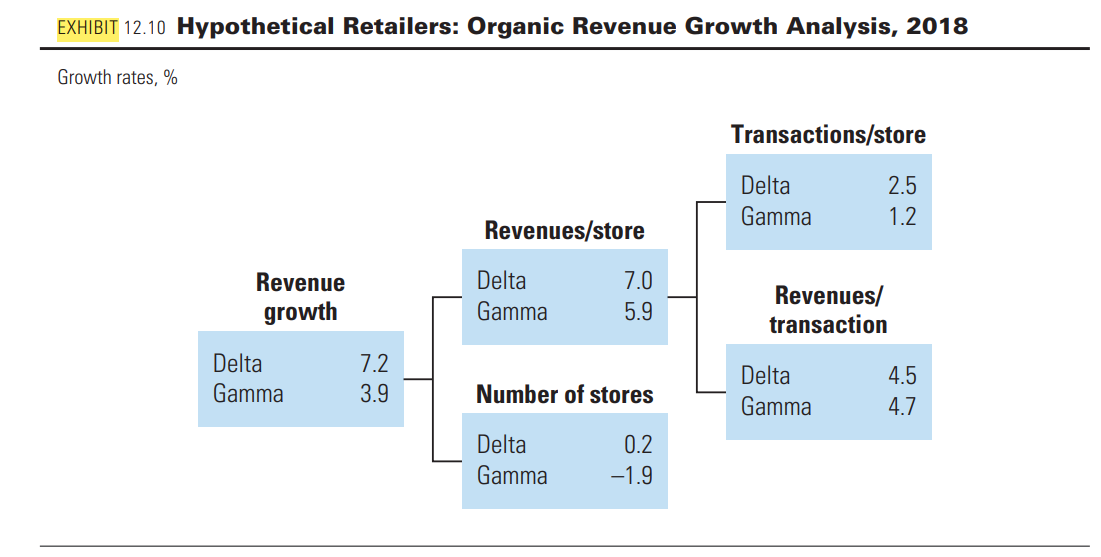
After cleansing historical indicators, assumptions, and budgetary standards, we should attempt to identify revenue in operational forecasts. For example: Revenue = (Revenue / Unit) * Unit What drives revenue growth? Is it sales volume or prices? While revenue per unit may remain the same with price changes, revenue may increase due to inflation or a…